
Home » Posts tagged 'renovations'
Tag Archives: renovations


Cold Weather Renovations: The Hidden Risks of Not Heating Your Construction Site
Renovating during the colder months can seem like a smart move. Contractors may have more availability, material lead times can be shorter, and projects can be completed before peak spring demand. However, winter construction presents its own set of challenges—especially when it comes to temperature control. Skipping proper heating on your construction site might look like a way to cut costs, but the hidden risks can quickly outweigh any short-term savings. From structural damage to worker safety concerns, failing to heat a renovation site can create problems that linger long after the snow melts.
Why Temperature Control Is Critical From Day One
Cold air doesn’t just make a job site uncomfortable—it directly affects how materials perform and how efficiently work gets done. Many building materials are designed to be installed and cured within specific temperature ranges. When those conditions aren’t met, the quality of the entire project can suffer. Using reliable systems such as Bauheizung Heizblitz solutions helps maintain consistent temperatures throughout the workspace, allowing materials to cure properly and crews to stay productive. Maintaining warmth from the very beginning of a renovation sets the tone for structural integrity and overall project success.
Concrete and Masonry Don’t Cure Properly in the Cold

Concrete work in freezing or near-freezing temperatures is one of the biggest risks on an unheated construction site. Concrete needs time and the right thermal conditions to cure and reach its intended strength. If temperatures drop too low, the curing process slows dramatically or stops altogether. In extreme cases, water inside the concrete can freeze, leading to cracks and long-term structural weakness. Masonry projects face similar challenges. Mortar exposed to freezing temperatures can lose bonding strength, resulting in unstable brickwork or stone installations. Reworking these elements later can be costly and time-consuming, turning what seemed like minor shortcuts into major setbacks.
Increased Moisture and Mold Risks
Cold air combined with construction moisture creates an ideal environment for condensation. When warm, humid air meets cold surfaces inside an unheated building, moisture can accumulate on walls, ceilings, and structural elements. Over time, this dampness can seep into insulation, wood framing, and drywall. Excess moisture during construction raises the risk of mold growth, which can lead to health concerns and costly remediation efforts. Even if mold doesn’t develop immediately, trapped moisture can cause long-term deterioration behind finished surfaces. Proper heating helps regulate humidity levels and reduces condensation, protecting the structure from hidden damage.
Worker Safety and Productivity Decline
A cold job site isn’t just hard on materials—it’s tough on people, too. Workers exposed to low temperatures for extended periods face increased risks of cold stress, reduced dexterity, and fatigue. Tasks that require precision, such as electrical wiring or detailed carpentry, become more difficult when hands are stiff and uncomfortable. Productivity naturally drops when crews need frequent breaks to warm up. Slower progress can push timelines back and increase labor costs. By maintaining a comfortably heated environment, you create safer working conditions and help teams perform at their best, even during winter months.
Equipment Performance and Delays
Cold temperatures can also interfere with tools and machinery. Batteries drain faster, fuel can thicken, and certain equipment may struggle to start. These seemingly small inconveniences can lead to repeated delays throughout the day. When equipment fails unexpectedly, it disrupts workflow and creates additional expenses for repairs or replacements. A heated construction site supports smoother operations, reducing downtime and keeping the project on track despite harsh outdoor conditions.
Paint, Drywall, and Finishes Can Fail
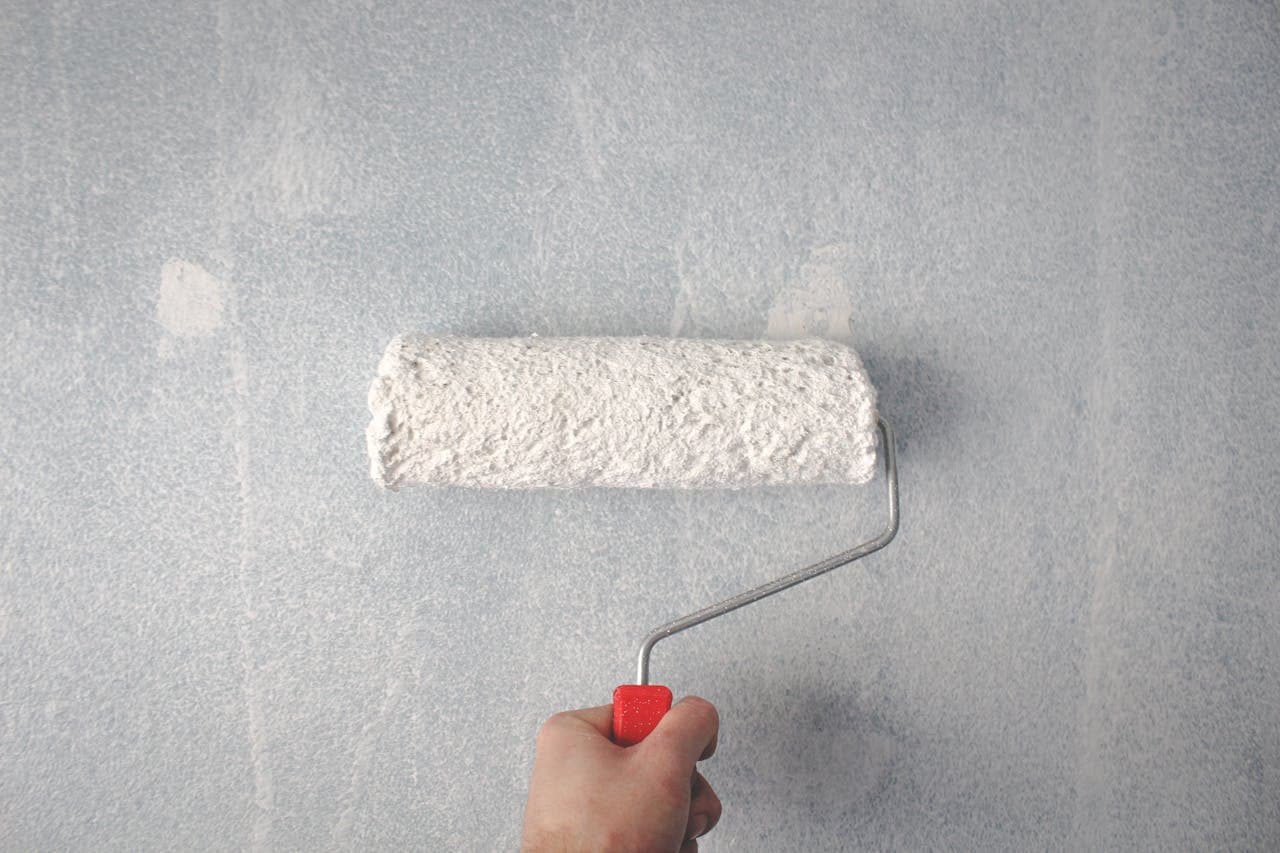
Interior finishing work is particularly sensitive to cold conditions. Paint applied in low temperatures may not adhere properly, dry unevenly, or develop a patchy appearance. Drywall compound can take significantly longer to cure, delaying sanding and painting schedules. Adhesives used for flooring, tiles, and trim may also lose effectiveness in colder environments. The result is often visible defects that compromise the final look of the renovation. Peeling paint, warped flooring, or cracked seams are not only frustrating but can also damage your professional reputation if you’re a contractor. Maintaining consistent heat ensures that finishes perform as intended and look polished once the project is complete.
Budget Overruns and Schedule Extensions
All of these issues—material failure, moisture damage, reduced productivity, and equipment problems—eventually affect the bottom line. What begins as an attempt to save on heating costs can spiral into expensive repairs, extended labor hours, and missed deadlines. Delays can also impact other scheduled trades, creating a domino effect that disrupts carefully planned timelines. Clients may grow frustrated, and contractual penalties can become a real possibility. Investing in proper site heating from the start is often far more cost-effective than addressing preventable winter-related setbacks later.
Cold-weather renovations can be successful, but only when temperature control is treated as a priority rather than an afterthought. Failing to heat your construction site exposes your …